Builder upgrades can be exciting—until you’re staring at a design-center quote that looks like a second mortgage. If you’re buying new construction in Arizona, knowing which builder upgrades add value (and which ones mostly add personal enjoyment) can protect your budget today and your resale potential later.
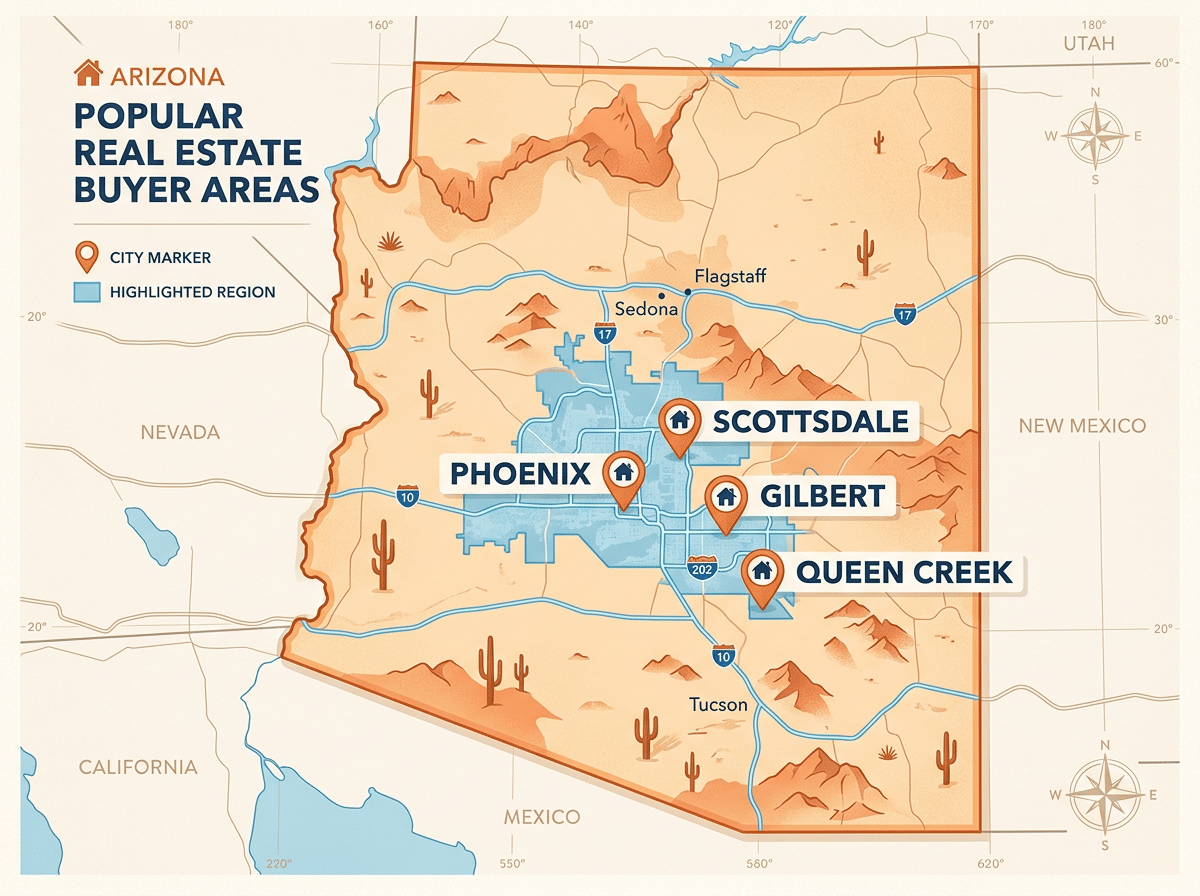
This guide breaks down the upgrades that tend to help appraisal and resale, the ones that usually don’t, and a simple way to prioritize options—whether you’re building in fast-growing East Valley areas like Gilbert and Queen Creek or exploring other communities across the Valley.
The “value” question: what counts as a good upgrade?
When buyers ask which upgrades add value, they usually mean one of two things:
- Resale value: Will future buyers pay more for it?
- Financial efficiency: Is it cheaper to do now than later (even if resale doesn’t fully reimburse it)?
The best upgrades often do both:
- They’re hard/expensive to change after move-in
- They match what most buyers want
- They don’t price your home far above neighborhood comps
A quick reality check: not every upgrade adds dollar-for-dollar value. Many options improve marketability (faster sale, fewer objections) more than they boost price. That’s still valuable—just a different kind.
If you’re early in the process, it helps to compare upgrade budgets against real nearby resale pricing. One practical step is watching comparable listings while you browse Arizona homes for sale so you don’t accidentally build the most expensive house on the block.
Builder upgrades that typically add value in Arizona
1) Structural upgrades (the hardest to change later)
Structural options are often the safest “value” bets because they’re expensive—or impossible—to redo after closing.
High-value structural upgrades include:
- Extra square footage (room extensions, bump-outs)
- An additional bedroom or bathroom (especially a 3rd bath in family-oriented layouts)
- Garage upgrades (3-car garage, garage extension, wider door, extra storage bay)
- Covered patio extensions (common buyer preference in Arizona for outdoor living)
- Door and ceiling height changes (e.g., taller interior doors, vaulted ceilings where offered)
- Laundry room or mudroom enhancements (added cabinets, sink rough-in, better flow)
Why they add value: they change function, not just appearance. Future buyers can repaint walls, but they can’t easily “add a bay to the garage.”
Arizona-specific note: Outdoor living matters here. A thoughtfully upgraded patio (and shade solutions) often improves showability in summer months and makes a home feel more “Arizona-ready.”
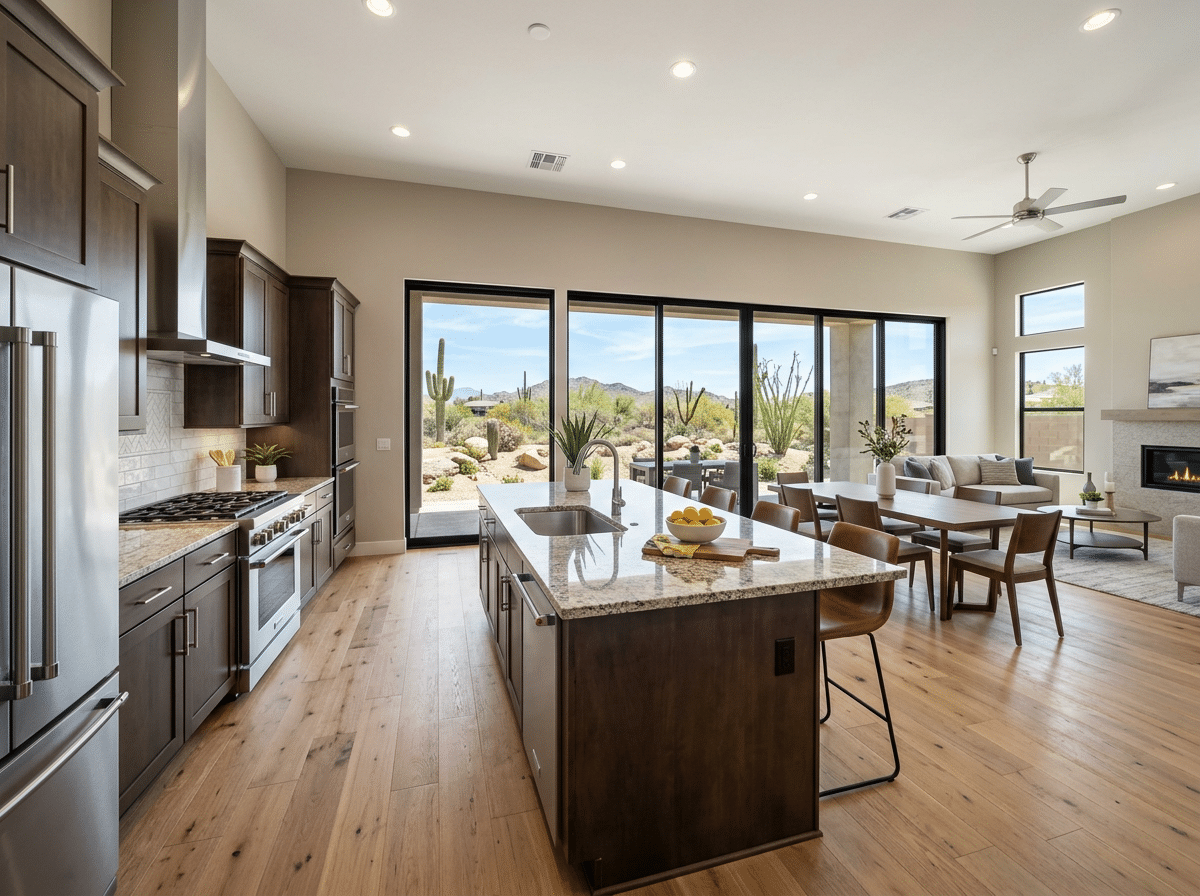
2) Kitchen upgrades that improve function (not just flash)
Kitchens sell homes, but the highest-value upgrades usually focus on layout and daily use, not the fanciest finishes.
Good value kitchen upgrades:
- Improved layout (bigger island, better pantry, additional cabinets)
- Quality cabinetry (better construction, soft-close)
- Quartz or durable solid-surface countertops (timeless, popular with resale buyers)
- Upgraded sink/faucet (moderate cost, high daily impact)
- Better lighting plan (recessed lights, under-cabinet lighting)
What to watch: ultra-niche finishes (high-contrast patterns, unusual stone) may not age as well. “Neutral and durable” tends to win resale.
3) Flooring upgrades that replace “builder basic”
Flooring is one of the most visible “is this home upgraded?” signals. But not all flooring upgrades are equal.
Best flooring choices for value in Arizona:
- Consistent flooring in main living areas (buyers like continuity)
- Durable tile in high-traffic zones
- Quality engineered wood (where appropriate and well-installed)
- Upgraded carpet pad (comfort + longevity, especially in bedrooms)
What adds value isn’t just the material—it’s avoiding the “we’ll have to replace this immediately” vibe that turns buyers into negotiators.
4) Energy efficiency and comfort upgrades (quiet value that buyers appreciate)
Arizona heat makes comfort upgrades matter. Some of the best long-term “value” upgrades are the ones you feel in July.
Often-worth-it upgrades:
- Better insulation packages (attic, walls where offered)
- High-performance windows or improved glazing options
- Zoned HVAC (especially for two-story homes)
- Ceiling fan prewires and extra electrical planning
- Smart thermostat / HVAC efficiency upgrades
- Garage insulation (if you use it as a gym/workshop/storage)
These upgrades may not always raise the appraisal dramatically, but they can reduce objections and improve buyer confidence later.
5) Electrical and “future-proofing” options
Small electrical decisions at build time can prevent expensive drywall work later. These upgrades often pay off in convenience and marketability.
Smart electrical upgrades:
- Extra outlets in key places (island, patio, garage)
- EV charger prewire / 240V outlet in the garage
- Ceiling light prewires in bedrooms (instead of only a switched outlet)
- Dedicated circuits for home office setups
- Data/ethernet drops (helpful where Wi-Fi struggles)
Even if buyers don’t notice every detail, these features reduce “projects” for the next owner—which can translate into a smoother resale.
Builder upgrades that often don’t add much resale value
1) Overly personalized design selections
These can be beautiful—but personal taste is unpredictable.
Examples that don’t reliably add value:
- Bold accent tile everywhere
- Highly specific cabinet colors that limit buyer appeal
- Statement lighting packages that future buyers will replace
- Trend-heavy finishes that may look dated quickly
If you love it, go for it—just don’t count on recouping the cost.
2) Premium appliances (beyond what the neighborhood expects)
In many price points, resale value doesn’t scale with appliance spend. A solid, modern appliance package helps—but going from “nice” to “luxury” often doesn’t return dollar-for-dollar.
A good strategy:
- Upgrade to a reputable mid/high tier if the base package feels cheap
- Avoid overspending on niche features unless you’ll personally use them
3) Built-in electronics that age fast
Whole-home audio, built-in media walls, and elaborate smart-home ecosystems can feel dated quickly. Tech changes faster than houses.
Better approach:
- Choose wiring and power (prewire, outlets, conduit)
- Keep the devices modular and easy to swap later
4) Decorative upgrades with low permanence
Items like upgraded interior paint packages, decorative wall treatments, and designer hardware sometimes feel like “easy wins,” but they rarely boost appraisal value.
Buyers often think:
- “Nice… but I might change it.”
5) Pools as a “guaranteed value add” (not always)
In Arizona, a pool can be a plus—but it’s not a universal win:
- Some buyers want it badly
- Others see maintenance, safety concerns, or higher insurance
- In some neighborhoods, pools are expected; in others, they’re optional
A pool is more of a lifestyle decision than a guaranteed ROI upgrade.
The biggest mistake: over-upgrading beyond neighborhood comps
A new build can tempt you to “just add this one more thing.” The risk is creating a home that’s priced above what the neighborhood supports.
How to avoid over-upgrading:
- Look at recent sales and active listings in the same community/area
- Ask: “Would a typical buyer here pay extra for this?”
- Prioritize upgrades that improve function and broad appeal
This is where having a local pro matters. An agent who understands resale patterns can help you choose upgrades that align with what buyers actually pay for—not just what looks great in the design studio. If you’re navigating a build contract and timelines, start with the practical guidance in the West USA Realty buyer hub so you know what to expect from offer to closing.
A simple upgrade priority framework (use this at the design center)
When deciding, rank upgrades in this order:
Priority 1: “Can’t easily change later”
- Structural layout changes
- Extra bath/bed
- Garage size/extension
- Patio cover/extension
- Major electrical planning
Priority 2: “Expensive mess later”
- Flooring continuity
- Countertops and cabinetry (if replacing later would be disruptive)
- High-impact lighting improvements
Priority 3: “Nice, but optional”
- Specialty tile patterns
- High-end appliance jumps
- Decorative packages
- Built-in tech features
This approach helps you spend where it matters and skip what you can upgrade later—often for less.
Arizona market notes: what today’s buyers tend to notice
Across many Valley communities, buyers commonly respond well to:
- Functional layouts (bed + bath flexibility, home office potential)
- Clean, neutral finishes that photograph well
- “Move-in ready” features (flooring, counters, lighting)
- Comfort upgrades that reduce summer pain (insulation, HVAC planning)
- Practical garage space (Arizona garages get used)
If you’re choosing between multiple areas and builders, it can also help to evaluate upgrades through the lens of location. Neighborhood expectations vary, and what “adds value” in one community may be overkill in another.
FAQs about builder upgrades and resale value
Do builder upgrades increase appraisal value?
Sometimes—especially structural improvements and widely expected features. But many design upgrades don’t appraise dollar-for-dollar. They may improve marketability more than appraised value.
Is it better to upgrade with the builder or after closing?
Usually: structural and “messy later” upgrades are best done with the builder. Cosmetic items (paint, fixtures, some hardware) can often be cheaper after closing.
What’s the safest upgrade if I’m on a budget?
If offered at a reasonable cost, functional layout improvements (extra bath, better kitchen storage) and practical electrical upgrades (EV prewire, added outlets) tend to hold broad appeal.
Should I pay extra for premium countertops?
Often yes—if the upgrade is to a durable, widely liked material (like quartz) and the base option is very entry-level. Avoid overly bold patterns if resale is your priority.
How do I avoid over-upgrading?
Compare your total price (base + options) to nearby resale comps and keep selections aligned with what buyers in that neighborhood expect.
Conclusion: choose builder upgrades that add value by focusing on function first
The smartest builder upgrades that add value in Arizona usually improve function, comfort, and livability—especially structural options, practical kitchen improvements, durable flooring, and future-proof electrical planning. The upgrades that don’t add much value tend to be highly personal, trend-driven, or tech that ages quickly.
If you’re considering a new build and want help balancing upgrades with long-term resale, work with West USA Realty for local guidance on pricing, neighborhoods, and smart negotiation. When you’re ready, start exploring Arizona homes for sale and use the tools in our buyer hub to plan your next steps with confidence.