
Inheriting a home can feel overwhelming—especially when you’re also handling family logistics, legal paperwork, and emotional decisions. If you’ve inherited a property in Arizona and plan to sell, the best way to protect your timeline (and your net proceeds) is to tackle a few key steps before you list an inherited home for sale.
Below is a practical checklist you can follow—whether the home is in the Phoenix real estate market, an East Valley community, or anywhere else in the Valley. (Note: This is general information, not legal or tax advice—an Arizona probate attorney and a CPA can guide you on your exact situation.)
Start here: confirm who has the legal authority to sell
Before you paint a wall or schedule a photographer, make sure the right person (or people) can sign a contract.
Common scenarios in Arizona include:
- Home held in a trust (successor trustee may have authority to sell)
- Probate is required (a personal representative/executor may need to be appointed)
- Multiple heirs inherit together (all owners may need to sign, or one person needs written authority)
- Title transfers outside probate (for example, certain deed arrangements—your attorney/title company can confirm)
Why this matters: if there’s uncertainty about who can sell, the transaction can stall during escrow—or worse, fall apart after a buyer has already invested in inspections and appraisal.
Action step: Gather documents early: death certificate(s), will or trust, any court paperwork, mortgage statements, HOA information, and insurance details. Your agent and escrow/title partners can help identify what’s needed for a clean, marketable sale.
Decide how the heirs will handle the property
If there are multiple heirs, you’ll want agreement on the “big four” decisions before listing:
- Are we selling or keeping the home?
- If selling, are we selling as-is or making improvements?
- How will expenses be paid until closing? (utilities, insurance, yard care, repairs)
- How will proceeds be divided and documented?
This is where inherited-home sales often get delayed. If one heir wants top dollar and another wants a quick sale, it helps to choose a plan and put it in writing—ideally with guidance from an attorney when needed.
Secure the home and reduce risk immediately
Vacant homes are more vulnerable to break-ins, water leaks, and unnoticed damage. Before you list, take steps to protect the property and the estate.
Checklist to secure an inherited home
- Change exterior locks (and consider rekeying)
- Confirm windows and doors fully lock
- Shut off water if the home will be vacant (or at least inspect for leaks regularly)
- Set thermostat to a safe level (important during Arizona heat)
- Remove valuables and personal documents
- Consider timed lighting or smart devices for occupancy signals
- Keep the yard maintained (curb appeal + HOA compliance)
Confirm insurance coverage (don’t assume it’s “fine”)
Insurance policies can change terms when a home becomes vacant, or when the owner passes away. Call the insurance company quickly and ask:
- Is the home covered during vacancy?
- Do we need an endorsement or a different policy?
- Are there requirements (regular check-ins, winterization, etc.)?
This step prevents the nightmare scenario of discovering damage and learning the policy won’t cover it.
Create a “keep, sell, donate, trash” plan for personal property
Sorting belongings is often the hardest part emotionally—and it can take longer than people expect.
A simple process that keeps things moving:
- Photograph rooms before you start (helps with “where did that go?” conversations)
- Set a deadline for heirs to claim items
- Use a neutral third party for help if emotions run high (estate sale company, organizer, mediator)
- Keep receipts for donated items (your CPA can advise if any documentation is useful)
If the home will be listed vacant, aim for clean and empty—buyers mentally “move in” faster when the space is uncluttered.
Get clarity on the property’s condition and “as-is” reality
Inherited homes often have deferred maintenance—sometimes minor, sometimes significant. Before you list, you want to know what you’re dealing with so you can price and market the home honestly.
High-impact items to assess early
- Roof age and visible issues
- HVAC performance (especially important in Arizona summers)
- Plumbing leaks, water heater condition
- Electrical panel concerns
- Windows and door functionality
- Termite history (common in some areas)
- Pool equipment (if applicable)
You don’t necessarily have to fix everything. But you do want to avoid surprises that lead to big concessions later.
Choose a sale strategy: retail-ready, light refresh, or true “as-is”
There’s no one right way to sell an inherited home. The best strategy depends on the home’s condition, your timeline, and how much coordination the heirs can handle.
Option A: List it “retail-ready”
Best for: homes in solid condition where a few updates could bring a better price.
Typical prep:
- Deep clean
- Paint touch-ups in neutral tones
- Minor repairs (leaky faucets, broken switches, loose handles)
- Yard refresh and curb appeal
- Professional photography
Option B: Do a “light refresh”
Best for: homes that are dated but functional.
This often includes:
- Flooring replacement in high-traffic areas
- Updating lighting fixtures
- Addressing obvious cosmetic negatives that turn buyers away
Option C: Sell it as-is (with smart pricing and positioning)
Best for: homes with larger repair needs or estates that prefer simplicity.
Selling as-is can still be successful—but pricing and disclosures must be handled carefully. Many “as-is” homes still attract traditional buyers, investors, and renovation-minded purchasers—especially when the home is priced with condition in mind.
Price it based on real market evidence, not guesses
Inherited-home sellers often face two pricing traps:
- Overpricing “because it was mom’s house” (emotional value ≠ market value)
- Underpricing to “just get it done” (leaving money on the table unnecessarily)
A strong pricing plan blends:
- Comparable sales (recent closed comps)
- Active competition (what buyers are choosing today)
- Condition adjustments (repairs, updates, deferred maintenance)
- Neighborhood expectations
If you’re not sure where to start, reviewing guidance on understanding your home’s value can help you see how agents evaluate pricing beyond Zestimate-style estimates.
Handle disclosures early (especially for inherited properties)
In Arizona, sellers typically provide disclosures even when selling an inherited home. The challenge is that heirs may not know the full history of the property—repairs, leaks, roof issues, past insurance claims, and so on.
That doesn’t mean you “can’t sell.” It means you should:
- Be clear about what you know and don’t know
- Avoid guessing
- Document visible issues and any known repairs
- Provide available records (invoices, warranties, HOA docs)
If you want a clearer picture of what’s typically involved, review completing the Arizona Seller’s Property Disclosure Statement so you can gather details in advance instead of scrambling once you’re under contract.
Don’t overlook liens, mortgages, HOA issues, and utilities
Before listing, run through these “silent delay” items:
Mortgage or HELOC
Even if the home is inherited, there may be:
- A remaining mortgage balance
- A home equity line of credit
- Past-due payments
Your escrow/title team can order payoff statements, but it’s helpful to locate the most recent statements early.
Property taxes
Check whether taxes are current and whether there are any payment plans or delinquencies.
HOA compliance and fees
If the home is in an HOA (common in Arizona), confirm:
- Current dues status
- Any violations (weeds, paint, parking, trash bins)
- Transfer fees and resale package requirements
Utilities
Keep utilities on through showings and inspections. Buyers want to test systems, and inspectors need water/electricity.
Prepare a clean, simple listing plan (and a realistic timeline)
Inherited homes often need more coordination than a typical sale. A good plan includes:
- A target list date
- A “clear-out” deadline for belongings
- A repair/maintenance schedule (even if minimal)
- Professional cleaning and photography timing
- A communication plan among heirs (one point person helps a lot)
For a step-by-step approach to getting a house ready, the guide on preparing your home to sell is a solid reference—many of the same prep principles apply to inherited properties, with a few extra estate-related steps.
Consider tax and probate implications—without letting them freeze you
Two common concerns come up in inherited home sales:
- “Do we need probate?”
- “What will taxes look like?”
Because every estate is different, the best move is to:
- Consult an Arizona probate attorney on authority to sell and title transfer
- Consult a CPA on basis, reporting, and how proceeds should be handled
The key is not to let uncertainty stop progress. Often, you can complete many pre-list steps (securing the home, cleaning, planning, pricing research) while legal details are being finalized.
Local market note: inherited homes can sell well—with the right positioning
Arizona buyers range from first-time homeowners to investors to out-of-state relocators. A well-presented inherited home—whether updated or sold as-is—can attract strong interest when the price, condition, and disclosure strategy align.
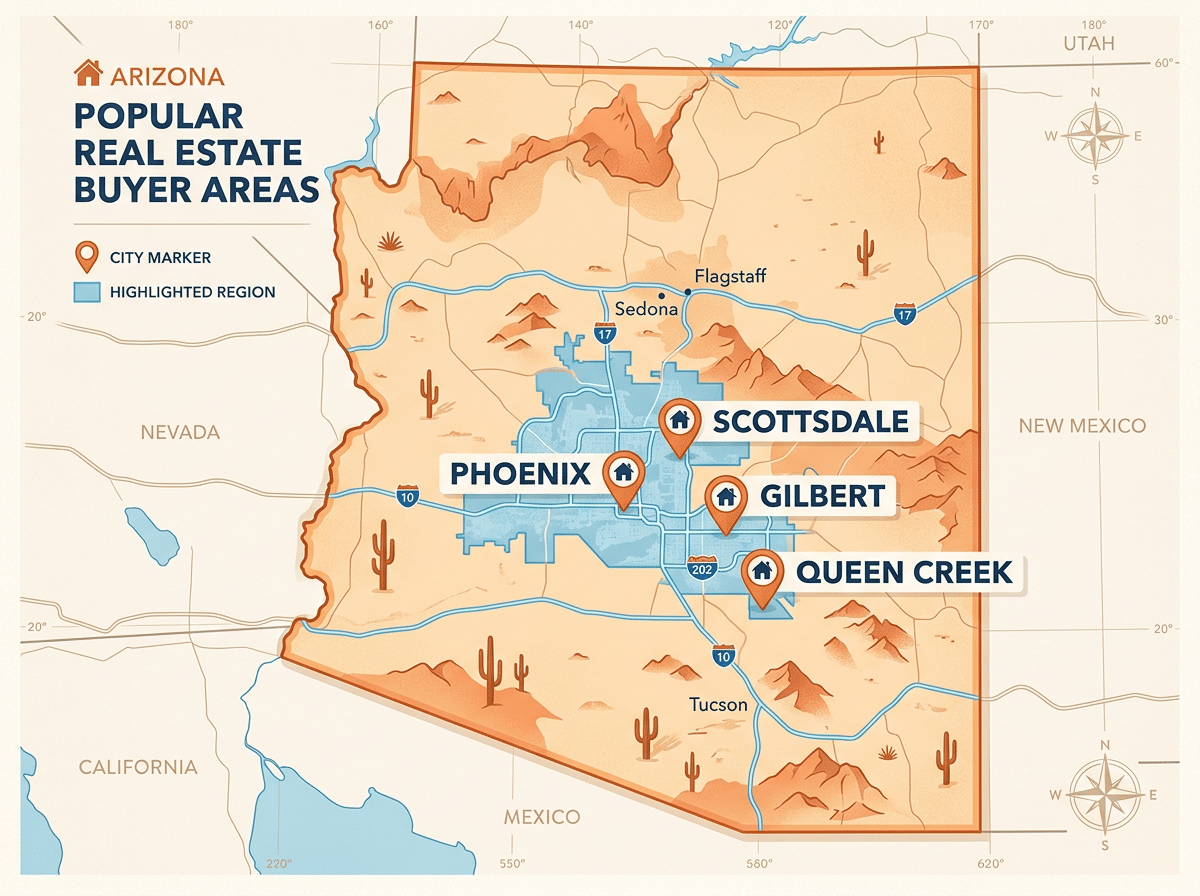
In some communities (for example, newer-growth areas like Queen Creek), buyers may expect newer finishes and move-in readiness. In older, central areas, buyers may be more comfortable with renovation projects—if the price reflects it. This is where local expertise helps you choose the right “prep level” and marketing approach.
FAQs: selling an inherited home in Arizona
Do we have to fix everything before listing an inherited home?
No. Many inherited homes sell with minimal repairs, especially when priced appropriately. Focus on safety, obvious defects, and presentation.
Can we sell an inherited home “as-is”?
Often yes, but you still need accurate disclosures and a strategy that matches condition and buyer expectations.
What if multiple heirs disagree about selling?
That’s common. Choose a decision framework early (timeline, expenses, minimum acceptable offer) and consider mediation or legal guidance if needed.
How long does it take to get an inherited home ready to list?
It varies. The biggest timeline drivers are legal authority to sell, clearing personal property, and repair decisions.
What’s the first step if we want to sell quickly but responsibly?
Secure the home, confirm authority to sell, and get a professional pricing plan so you don’t lose time (or money) with a mispriced listing.
Conclusion: a clear plan makes selling an inherited home much easier
Before you list an inherited home, the best results usually come from doing three things well: confirm the legal path to sell, protect and prepare the property, and choose a pricing/repair strategy that matches the home’s condition and neighborhood expectations.
If you want help building a plan and marketing the home with confidence, connect with West USA Realty. When you’re ready, you can also explore current competition by browsing Arizona homes for sale—and use West USA’s seller resources to understand each step from prep to closing.