Arizona has no shortage of 55+ (active adult) communities—especially across the Phoenix metro—so the challenge isn’t finding one. It’s finding the right one for your lifestyle, budget, and long-term plans. HOA rules can be stricter than many buyers expect, monthly costs can vary widely, and amenities that look great on paper don’t always match how you’ll actually live day-to-day.
This guide walks you through how to evaluate a 55+ community in Arizona, with a clear focus on HOA rules, total costs, and amenities—plus a few “hidden” factors that can make or break your experience. As you compare options, it’s helpful to pull up real inventory and filter by community features—start by browsing Arizona homes for sale so you can compare neighborhoods, home types, and HOA levels in real time.
What “55+ community” really means in Arizona
Most 55+ communities in Arizona are designed for active adults who want low-maintenance living, social opportunities, and amenities like pools, fitness centers, golf, and clubs. Many are age-restricted under federal housing rules that allow communities to require at least one resident per household meet the age threshold (often 55+). Practically, that means you’ll see fewer “starter-home” dynamics and more neighbors with similar schedules, priorities, and lifestyle rhythms.
But within that category, there’s huge variety:
- Resort-style, amenity-heavy master-planned communities
- Smaller, quieter 55+ enclaves with minimal shared facilities
- Condo-style lock-and-leave options
- Single-family neighborhoods with extensive clubs and recreation centers
Your goal is to match the community type to your retirement (or pre-retirement) priorities.
Step 1: Start with your non-negotiables (before you tour)
Many buyers tour three communities and fall in love with “the vibe,” only to learn later the HOA won’t allow something important—like your preferred fencing, a small workshop shed, or even your seasonal vehicle setup.
Before you tour, decide what matters most in these buckets:
Lifestyle must-haves
- Quiet and peaceful, or social and active?
- Walkability and trails, or golf and clubs?
- On-site events every week, or “optional” amenities?
Home must-haves
- Single-story only?
- Guest room or den for visitors?
- Garage size (two-car, three-car, golf cart garage)?
- Yard size and maintenance expectations?
Convenience must-haves
- Close to healthcare corridors?
- Near family?
- Easy access to airports, shopping, dining?
If you want to dig into the purchase timeline and what to expect from touring to closing, the Arizona home buying resources hub is a solid reference point—especially if you’re relocating from out of state.
Step 2: Understand HOA rules (the part most buyers underestimate)
HOA rules in 55+ communities can be stricter than in typical neighborhoods because the HOA is protecting a specific lifestyle and maintaining consistent community standards. That’s not “good” or “bad,” but it must match your preferences.
Here are the HOA rule categories to review carefully.
Age requirements and occupancy rules
Confirm:
- Who must be 55+ (usually at least one occupant)
- Guest policies (how long guests can stay)
- Any restrictions on residents under a certain age
Rental restrictions
Even if you don’t plan to rent now, this matters for resale and flexibility later. Ask:
- Are short-term rentals prohibited?
- Is there a minimum lease length (6–12 months)?
- Is there a cap on rental percentage (which can affect financing and buyer pool)?
Exterior changes and “what you can do with your home”
Common limits include:
- Approved paint colors and schedules
- Landscaping rules (desert landscaping often encouraged)
- Restrictions on adding pergolas, patios, or sun shades
- Limits on security doors, screen enclosures, or window coverings facing the street
If you enjoy DIY projects or want a personalized backyard, make sure the HOA aligns with that.
Parking and vehicle rules
This is a big one in Arizona. Ask about:
- RV parking (often restricted)
- Overnight street parking
- Work vehicles, signage, or commercial vehicles
- Golf cart parking rules (some communities are cart-friendly; others are not)
Pets and breed restrictions
Even pet-friendly communities may have:
- Max number of pets
- Size limits
- Breed restrictions
- Leash rules and designated areas
Tip: Request the CC&Rs, rules, and the latest budget/reserve summary early. It’s much easier to walk away before you emotionally commit than after you’re under contract.
Step 3: Compare the real costs (not just the HOA dues)
A common mistake is comparing communities only by HOA dues. You’ll want to calculate your “all-in” monthly ownership cost, because two communities with similar dues can have very different total expenses.
1) HOA dues
Ask what the dues cover:
- Common area maintenance
- Amenities (pools, fitness, clubs)
- Landscaping (front yard only vs full yard vs none)
- Exterior maintenance (common in condo/townhome models)
- Gate/security staffing (if gated)
2) Special assessments and reserve health
An HOA with low dues but weak reserves can lead to special assessments later. Questions to ask:
- When was the last special assessment?
- What percentage of the budget goes to reserves?
- Are major items funded (roads, roofs in condo communities, recreation center upgrades)?
3) Property taxes and insurance
Taxes vary by area and property type. Insurance can vary based on:
- Roof age/type
- Construction materials
- Proximity to wildfire-prone terrain (more common outside the core metro)
4) Utilities and energy efficiency
Arizona summer cooling costs are real. Newer homes may help with efficiency, but even resale can perform well if the HVAC, insulation, and windows are updated.
5) Membership or club fees
Some 55+ communities have separate annual or monthly fees for:
- Golf
- Premium fitness programs
- Certain clubhouses or events
- Dining minimums (rare, but it happens in certain models)
Bottom line: Build a simple spreadsheet with “HOA + taxes + insurance + utilities estimate + any memberships.” That number is what your retirement budget will feel each month.
Step 4: Amenities—focus on what you’ll actually use
Amenities are often the reason people choose a 55+ community, but “more amenities” isn’t always “better.” The best community is the one where amenities support your habits.
Amenity categories to evaluate
Fitness and wellness
- Fitness center quality (basic vs full gym)
- Group classes
- Indoor walking options for summer heat
- Spa services (if offered)
Pools and recreation
- Lap pool vs resort pool vs both
- Shade coverage (important in Arizona)
- Hot tubs, saunas, steam rooms
Sports
- Pickleball and tennis (court availability and reservation system matters)
- Bocce, shuffleboard, softball
- Golf (public vs private vs semi-private structure)
Clubs and social life
- How many clubs exist (and are they active?)
- Event calendar frequency
- Craft rooms, workshops, music spaces
Practical lifestyle amenities
- Walking trails
- Dog parks
- On-site café or dining
- Community transportation (less common, but helpful in some models)
Pro tip: Tour at the time you’d typically use amenities. A community pool at 10:00 a.m. on a Tuesday tells you more than a glossy brochure.
Step 5: Location matters more than most retirees expect
It’s easy to get excited about amenities and forget that you’ll still live a real life outside the gates. When you choose a location, consider:
- Healthcare access: primary care, specialists, hospitals
- Daily convenience: groceries, pharmacy, banking, dining
- Family and visitors: drive time to kids/grandkids, airport access
- Heat and microclimates: even within the metro, heat exposure and shade can feel different neighborhood to neighborhood
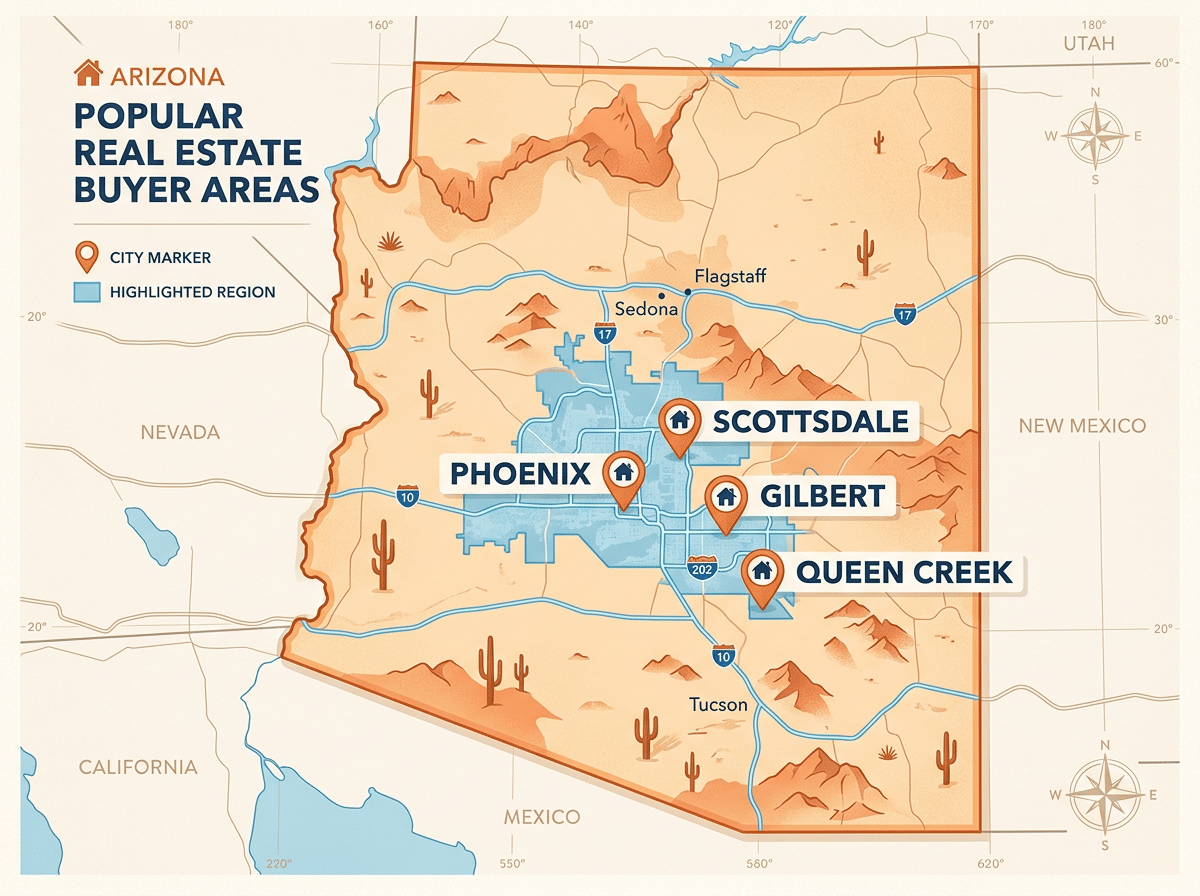
If you want to compare a broad range of 55+ options with “big city convenience,” start exploring in the Phoenix real estate market. If you’re drawn to an amenity-rich lifestyle near dining, golf, and events, you may also compare communities across the Scottsdale real estate market.
Step 6: Think ahead—resale, accessibility, and “aging in place”
Even if you’re buying your “forever home,” your needs can change. A smart 55+ purchase anticipates that.
Home features that support aging in place
- Single-story layout (or primary suite on main level)
- Step-free entry (or the ability to add a ramp discreetly)
- Wider hallways and doorways where possible
- Walk-in shower potential (or already installed)
- Good lighting and minimal trip hazards
Resale factors that protect value
- Reasonable HOA dues relative to amenities
- Healthy HOA reserves (reduces assessment risk)
- Strong rental rules balance (too strict can limit buyer pool; too loose can change community feel)
- A community reputation for maintenance and management
Questions to ask on every 55+ community tour
Bring this list and don’t feel awkward using it—these questions save headaches later.
HOA / Rules
- Can I see the CC&Rs and rules before writing an offer?
- What are the rental restrictions?
- Any pet limits or breed restrictions?
- What are the parking rules (guest parking, street parking, RVs)?
- Are exterior changes allowed (patios, shades, landscaping)?
Costs
- What do dues include?
- Any club or membership fees?
- Have there been special assessments in the last 5–10 years?
- How strong are reserves?
Amenities
- What amenities are included vs paid add-ons?
- Are courts/pools reservation-based? Is availability good?
- How active are clubs and events?
Lifestyle / Practical
- Typical age mix and activity level?
- How far to hospitals, specialists, and everyday shopping?
- What’s the noise level and construction outlook nearby?
Common “best fit” profiles for Arizona 55+ buyers
The social, active retiree
You’ll likely prefer:
- Larger master-planned communities
- Robust club and class schedules
- Pickleball/tennis access and organized leagues
The quiet, low-maintenance buyer
You may prefer:
- Smaller 55+ communities
- HOA that covers exterior maintenance (often condo/townhome)
- Fewer “event” obligations, more peace and privacy
The lock-and-leave traveler
Look for:
- Exterior maintenance coverage
- Strong security/gated options (if you prefer)
- Clear guest policies and easy airport access
FAQs: Choosing a 55+ community in Arizona
Do all 55+ communities have strict HOA rules?
Not all, but many do. The key is reading the rules early—especially rental, parking, pets, and exterior modification policies.
Are higher HOA dues always a bad sign?
Not necessarily. Higher dues may include more (fitness centers, pools, landscaping, gated security, exterior maintenance). Compare dues to what’s covered and the HOA’s reserve health.
What’s the biggest cost surprise in 55+ communities?
Often it’s a combination of HOA dues plus additional club fees, or special assessments when reserves aren’t strong—especially in communities with aging amenities.
How can I tell if I’ll actually use the amenities?
Tour at the time you’d normally go. Also ask how busy courts and pools are, and review the community calendar for clubs and events that match your interests.
Is location or community more important?
Both matter, but location often “wins” long-term because it affects healthcare access, daily errands, and how often you see family and friends.
Next step: compare communities with a clear plan
Choosing a 55+ community is really about matching rules, costs, and amenities to the way you want to live—today and ten years from now. If you want to start narrowing options, browse Arizona homes for sale and filter for the home type and lifestyle you prefer. When you’re ready to weigh HOA documents, compare neighborhoods, and avoid expensive surprises, connect with West USA Realty for local guidance and a smoother path to the right community.